Natural Reserves & Biodiversity
The living spine of Italy: Apennine protected areas and the species that depend on them
From the high ridges of Gran Sasso to the ancient pines of Pollino, this archive documents the ecology, protected zones, and wildlife of the Apennine peninsula.
Read about Gran SassoLatest Articles
Selected topics from the Apennines

National Parks
Gran Sasso e Monti della Laga: Italy's highest Apennine park
A survey of the largest national park in central Italy — its altitude zones, glacial relics, endemic plant communities, and the Marsican brown bear population that crosses its borders.

Wildlife
The Apennine Wolf Corridor: how a subspecies reclaimed its range
The Italian wolf was reduced to fewer than 100 individuals in the 1970s. Today more than 3,300 animals inhabit the peninsula. This piece traces the habitat corridors and legal frameworks that made the recovery possible.
Flora & Ecosystems
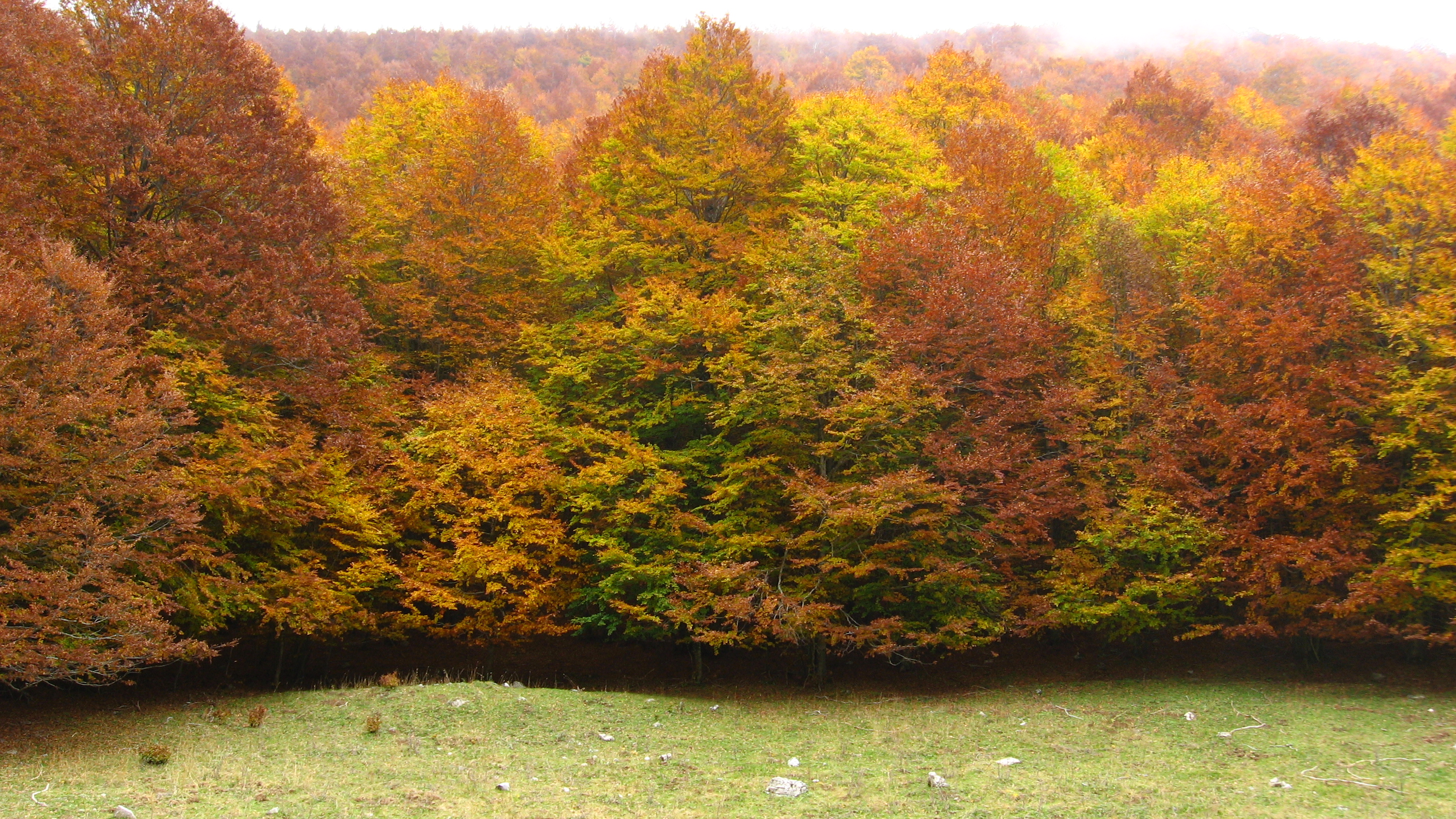
Pollino: ancient Bosnian pines and the southern Apennine flora
The Pollino National Park straddles Basilicata and Calabria and protects one of the last stands of Bosnian pine in Italy. A look at its endemic orchids, ancient beech woods, and rare reptile fauna.
Over 870 protected areas cover roughly 10% of Italy's land surface
The national park system across the Apennine chain protects contiguous mountain ecosystems that span from Liguria in the north to Aspromonte in the toe of the boot. Together they form one of the most ecologically significant protected corridors in southern Europe.
Gran Sasso in detailEcology at a Glance
Key facts about Apennine biodiversity

The Apennine wolf and the corridor between protected areas
Wolf packs in Italy do not respect park boundaries. The recovered population now ranges from the Ligurian Alps to Sicily, using river valleys and ridge lines as dispersal corridors between formally protected zones.
Read the full accountFurther Reading
Points of reference for the Apennine ecosystem
Gran Sasso e Monti della Laga National Park
At 150,000 hectares, this is the largest protected area in the Apennines. The Corno Grande peak at 2,912 m carries the only glacier south of the Alps — the Calderone glacier, now severely reduced.
Read morePollino National Park — southern biodiversity hotspot
Straddling two regions, Pollino is the largest national park in Italy by area. Its Bosnian pine stands, Apennine yellow-bellied toad populations, and diverse orchid species make it ecologically exceptional.
Read moreReliable, factual records of Apennine natural areas
OpenHollow gathers verified information about Italian protected zones, their resident species, and documented ecological changes. No sponsorship, no commercial agenda.
About this archiveContact
Send an enquiry
For corrections, source contributions, or general correspondence about Apennine natural areas. Responses within three business days.
Email: info@openhollow.eu
Phone: +39 06 1234 5678
Address: Via della Conciliazione 10, 00193 Rome, Italy